Rural Hospitals at a Crossroads: Funding Cuts, Innovation, and the Fight to Preserve Access to Care

Rural hospitals across the United States are facing a pivotal moment. Recent federal policy changes, rising operating costs, and workforce shortages are intensifying long-standing financial pressures, raising concerns about service reductions and hospital closures in communities where access to care is already fragile. At the same time, many rural providers are demonstrating innovation and resilience, even as questions remain about whether new federal investments will reach the hospitals most in need.

Medicaid Cuts and the Financial Fragility of Rural Hospitals

According to Crain’s Chicago Business, the Trump administration’s One Big Beautiful Bill Act (H.R. 1) represents the largest reduction in healthcare funding in U.S. history, with Medicaid cuts projected to cost rural hospitals nationwide more than $140 billion. Rural communities are particularly exposed: 23% of rural Americans rely on Medicaid, compared to 19% nationally.

In Illinois alone, downstate hospitals with high Medicaid payer mixes are at heightened risk. A study by the University of North Carolina’s Cecil G. Sheps Center for Health Services Research identified multiple rural hospitals as financially vulnerable due to sustained losses and limited cash reserves. While some systems, such as Southern Illinois Healthcare, are investing to stabilize at-risk hospitals, leaders warn that thin margins leave little room to absorb further cuts. SIH estimates the Medicaid reductions tied to H.R. 1 could erase 10% of its annual revenue.

Hospital executives emphasize that rural hospitals are more than care sites, they are economic anchors. Closures or service reductions ripple through local economies, affecting employment, suppliers, and community stability. As one expert told Crain’s, in many rural areas “there are really no other options,” the hospital is a public necessity.

[Learn how Psychiatric Medical Care helps rural hospitals solve behavioral health challenges through program management, provider access, and consultation services. Complete our “Let’s Get Started” form to discuss options with a business development team member.]

Real-Time Impact on Rural Communities

Reporting from CPR News brings these policy debates into sharp focus on Colorado’s Eastern Plains. At Lincoln Community Hospital, a 15-bed critical access hospital serving multiple counties, leaders describe operating perpetually on the brink. Labor costs have increased nearly 40%, supply costs are up 50%, and Medicaid reimbursement covers only 79 cents per dollar of care.

Hospital CEOs across Colorado report that 50% of rural hospitals are operating at a loss, and up to 70% are running margins considered unsustainable. While rural hospitals have historically survived through persistence and sacrifice, leaders warn that resilience has limits, particularly as more patients become uninsured or underinsured due to changes in Medicaid and Affordable Care Act subsidies.

Executives also expressed concern that hospitals continue to provide care regardless of coverage, increasing uncompensated care. As one rural CEO put it bluntly: “People will not survive if the hospitals are not there.”

Innovation and Leadership in Rural Health Care

Despite these challenges, the American Hospital Association (AHA) highlights examples of rural hospitals leading with innovation and community partnership. Finalists for the 2024 AHA Rural Hospital Leadership Award illustrate how rural providers are expanding impact beyond traditional care delivery:

  • In Elma, Washington, Summit Pacific Medical Center’s Food as Medicine program combines nutrition education, cooking classes, and food access to combat chronic disease.
  • In Lincolnton, North Carolina, Atrium Health Lincoln’s virtual therapy program delivered nearly 18,000 visits in 2023, with significant improvements in depression and anxiety outcomes.
  • In Seymour, Indiana, Schneck Medical Center anchors a county-wide coalition addressing chronic disease, food insecurity, behavioral health, and culturally responsive care.

The AHA underscores that rural hospitals serve more than 57 million Americans, functioning as clinical, economic, and social pillars. However, innovation alone cannot offset systemic underfunding, workforce shortages, and reimbursement gaps without sustained policy support.

The Promise—and Uncertainty—of the Rural Health Transformation Program

In response to mounting pressure, Congress created the $50 billion Rural Health Transformation Program, distributing $10 billion annually from 2026–2030. But reporting from Becker’s Hospital Review reveals growing concern among rural hospital leaders: states are not required to pass these funds directly to hospitals.

Hospital executives in multiple states worry that the funding could be diverted into state agencies, administrative programs, or competitive grants that offer little immediate relief. Some leaders report that hospital recommendations were ignored during state planning processes and that transparency around fund allocation remains limited.

While states like Illinois have signaled pathways for rural hospitals to access some funds, such as through critical access hospital networks, leaders nationwide warn that without guardrails, the program may fall short. Policy experts estimate that the transformation fund offsets only about one-third of projected rural Medicaid losses, raising doubts about its ability to stabilize hospitals already operating on razor-thin margins.

A Defining Moment for Rural Health

Taken together, these reports paint a clear picture: rural hospitals are navigating unprecedented financial and operational strain at the same time they are being asked to transform care delivery, expand prevention, and innovate with fewer resources. Hospital leaders broadly support long-term transformation—but caution that transformation is not possible if hospitals cannot keep their doors open.

As rural providers continue to advocate, innovate, and adapt, the coming years will determine whether federal and state policy decisions preserve access to care or accelerate the erosion of healthcare infrastructure in rural America.


Sources

  • Crain’s Chicago Business
  • American Hospital Association
  • CPR News
  • Becker’s Hospital Review

HHS Reverses Planned $2 Billion Cuts to Mental Health and Addiction Grant Funding

The U.S. Department of Health and Human Services (HHS) has reversed a decision to terminate more than $2 billion in federal grant funding tied to mental health and substance use programs, according to reporting from NPR and NBC News.

The termination notices were sent late Tuesday to more than 2,000 organizations and grant recipients, many of which receive funding through programs associated with the Substance Abuse and Mental Health Services Administration (SAMHSA).

An administration official confirmed the decision was reversed following political backlash from members of both major political parties, and letters were expected to be sent restoring the grant funding. NPR reported the official requested anonymity because they were not authorized to speak publicly about the change.

NBC News reported that the reinstated funds support services connected to SAMHSA, including programs related to suicide prevention and crisis response, opioid treatment, disaster-related behavioral health support, and other community-based mental health and substance use initiatives.

The initial termination decision prompted responses from advocacy and professional organizations, including the National Alliance on Mental Illness (NAMI) and the American College of Emergency Physicians (ACEP), which raised concerns about potential service disruptions if the funding were not restored.

NBC News also reported that Rep. Rosa DeLauro criticized the funding termination and attributed the reversal to public pressure. HHS had not immediately provided additional public details regarding the initial termination or the reinstatement at the time of reporting.

A “Day of Panic” Across the Behavioral Health System

According to reporting from NPR, the initial termination letters came as a shock to mental health and substance abuse treatment organizations and grant recipients nationwide. The letters reportedly stated the programs no longer aligned with the administration’s public health agenda, which left frontline providers scrambling to understand what would happen next.

Public health leaders described the situation as chaotic, with many organizations suddenly facing the possibility of immediate service disruption due to possible staffing reductions and program shutdowns.

A Rapid Reversal After Bipartisan Pushback

By Wednesday evening, HHS officials confirmed that the funding cuts were being rescinded and that new letters would be issued restoring the grants. The reversal came after widespread backlash from both Republicans and Democrats, highlighting the reality that mental health and addiction treatment services remain one of the most broadly supported priorities in American healthcare.

National advocates expressed relief but also deep concern about the instability created by abrupt funding decisions. Hannah Wesolowski of the National Alliance on Mental Illness (NAMI) described the atmosphere to NPR as “a day of panic across the country,” while noting that the rapid response from lawmakers underscored bipartisan support for mental health services.

Why This Funding Matters: SAMHSA’s Role in the Continuum of Care

The grants involved were connected to the Substance Abuse and Mental Health Services Administration (SAMHSA), a key agency supporting mental health and substance use initiatives nationwide. SAMHSA funding plays an important role in helping communities maintain access to critical services such as:

  • Suicide prevention and crisis supports
  • Substance use treatment and recovery services
  • Disaster-related behavioral health response
  • Community-based mental health education and outreach

When funding is disrupted—even temporarily—it can strain the continuum of care that helps people access services early and stay connected long enough to recover.

The American College of Emergency Physicians (ACEP) warned that abrupt reductions in behavioral health support can weaken the very systems designed to prevent emergencies from escalating in the first place.

Moving Forward: Stability Is Essential to Expanding Access

At Psychiatric Medical Care, we support hospitals and communities working to strengthen access to behavioral healthcare through sustainable programs, clinical partnerships, and long-term solutions that meet patients where they are.

This week’s events show that regardless of policy shifts, the need for mental health and addiction services does not change. The demand remains high. The workforce remains strained. And the stakes remain deeply human. The best path forward is one where behavioral health funding and planning are stable, thoughtful, and focused on outcomes because families, hospitals, and communities depend on it.

Learn more about the services PMC provides to hospitals and health systems.

Senior Life Solutions Part of Critcal Access Hospital CEO’S Plan for Financial Sustainability

Critical Access Hospitals (CAHs) operate under persistent financial strain driven by low patient volumes, high fixed operating costs, and a payer mix that is heavily weighted toward Medicare, Medicaid, and uninsured patients. While cost-based reimbursement helps offset some expenses, it often fails to fully account for workforce shortages, rising labor and supply costs, aging infrastructure, and the growing demand for behavioral health and emergency services. Many CAHs also serve geographically isolated communities, limiting their ability to diversify service lines or achieve economies of scale. As a result, even modest fluctuations in census, reimbursement delays, or regulatory changes can quickly threaten financial stability, leaving these hospitals with little margin to absorb risk while still meeting their mission to provide essential care close to home.

Raymond Hino, CEO of Southern Coos Hospital & Health Center in Bandon, Ore., explained how Senior Life Solutions, a behavioral health program for older adults, is part of a plan to strengthen the financial sustainability of critical access hospitals in an interview with Becker’s Hospital Review.

“Our goal is to be a sustainable and profitable facility, which is a challenge for us,” Hino told Becker’s Hospital Review. “But we believe with the new programs we’re creating and being very careful about where we can be more efficient in the coming years. We’ve got some opportunities up the road as well for that.”

Through a partnership with Psychiatric Medical Care, Hino’s hospital plans to offer Senior Life Solutions to older adults experiencing depression, loneliness, and caregiver stress. Senior Life Solutions is a CMS-approved outpatient program specifically designed to help older adults (typically 65 and older) in rural communities. The program includes psychiatric treatment, intensive therapy sessions, and wellness checks. Participants gain coping and communication skills along with the confidence they need to live a healthier, happier life. Most participants who complete Senior Life Solutions experience a 56% improvement on the geriatric depression scale and a 36% overall improvement in mental health.

How Senior Life Solutions Works

Psychiatric Medical Care manages the Senior Life Solutions program for critical access hospitals. Program staff includes a board-certified psychiatrist, therapist, nurse, and an office and patient coordinator who are trained in geriatric mental health. Participants come to the program up to three times a week for group therapy, but also receive individual therapy, family counseling and medication management.

“One of the things we’ve noticed is that there’s a lot of seniors in our community that are caring for loved ones and spouses, and that can be very emotionally draining,” Hino told Becker’s Hospital Review. “This is a new service we think is going to be very important to provide support for caregivers and the seniors in our community.”

For most critical access hospitals, Senior Life Solutions can provide rural communities with needed behavioral health support, while also bringing in revenue. Learn more about how Senior Life Solutions can help critical access hospitals by filling out this form – Let’s Get Started.

Behavioral Health Policy Changes: Major Federal and State Shifts Reshaping Access to Care in 2026

As the United States enters 2026, behavioral health policies are undergoing one of the most consequential transformations in decades. A convergence of federal legislation, administrative actions, reimbursement reforms, and state-level innovation is redefining how mental health and substance use disorder services are financed, regulated, and delivered. While some developments point toward modernization and integration, others raise serious concerns about access, equity, and system sustainability at a time of unprecedented need. Here’s a deeper look at some of the biggest changes that were enacted in 2025 and coming in 2026.

A New Federal Policy Landscape

The most significant catalyst for change is the enactment of the One Big Beautiful Bill Act, signed into law in July 2025. The legislation implements the largest reductions to Medicaid and the Children’s Health Insurance Program (CHIP) in U.S. history. It cuts federal Medicaid funding by approximately $1 trillion, or 15 percent, over the next decade. New work and reporting requirements for enrollees, coupled with the expiration of enhanced Affordable Care Act premium tax credits, are expected to dramatically reduce coverage.

Medicaid is the single largest payer for behavioral health care, accounting for roughly one-quarter of all U.S. spending on mental health and substance use disorder treatment. The Congressional Budget Office estimates that nearly 12 million people will lose Medicaid coverage by 2034, with millions more losing subsidized marketplace coverage. Research already suggests that loss of Medicaid coverage is associated with higher rates of anxiety, depression, food insecurity, and functional impairment, underscoring the likely downstream mental health consequences of these policy changes.

The effects will extend beyond individual patients. Hospitals, community mental health centers, and training programs, many of which rely heavily on Medicaid reimbursement, face growing financial strain. Rural systems are particularly vulnerable: estimates suggest Medicaid reimbursement for rural hospitals could decline by more than 20 percent, placing hundreds of facilities at risk of closure and further limiting access to behavioral health services in already underserved areas.

During the first Trump administration, legislation such as the SUPPORT Act expanded access to opioid treatment and overdose prevention, and the 988 Suicide & Crisis Lifeline was established. The Biden administration built on this foundation by expanding coverage, improving access to evidence-based care, and strengthening federal agencies like the Substance Abuse and Mental Health Services Administration (SAMHSA). Recent data suggests that some opioid-related and mental health indicators have begun to stabilize or improve.

Beginning in 2025, the second Trump administration marked a shift in federal mental health and substance use policy. The administration has emphasized a more law-and-order approach while reducing the scope of federal leadership and capacity in mental health services. At the same time, it has continued certain treatment-focused initiatives, including reauthorization of the SUPPORT Act. These policy directions align with themes outlined in the administration’s campaign platform and proposals associated with Project 2025.

KFF, a leading health policy organization, is tracking key mental health and substance use policies. The group’s tracker can be viewed in the order that each mental health or substance use policy action was implemented. Alternatively, the tracker can be filtered by category (Mental Health; Opioids/Substance Use Disorder; Federal Infrastructure/ Data/Guidance; and Gun Violence).

Disruption to Behavioral Health Infrastructure

Compounding these coverage losses are proposed structural changes at the federal agency level. The President’s FY26 budget calls for dissolving the Substance Abuse and Mental Health Services Administration and the Health Resources and Services Administration, consolidating them into a new Administration for a Healthy America. The proposal includes approximately $1 billion in funding reductions to programs that currently support community mental health centers, suicide prevention initiatives, substance use treatment, and behavioral health workforce training. While congressional approval is required, the proposal has generated widespread concern about the loss of specialized expertise and fragmentation of services.

Additional federal actions have raised alarms across the behavioral health field. These include reduced funding for LGBTQ+ crisis services within the 988 Suicide & Crisis Lifeline, the halting of school-based mental health workforce grants, and return-to-office mandates for Department of Veterans Affairs mental health providers that have disrupted confidential care delivery in some facilities.

Professional organizations such as the American Psychological Association have warned that the cumulative effect of these actions represents a significant deprioritization of mental health infrastructure, disproportionately affecting individuals with serious mental illness, substance use disorders, and communities that already face systemic barriers to care.

Parity Enforcement and Coverage Uncertainty

At the same time that Medicaid funding is being reduced, federal enforcement of mental health parity protections is in flux. In May 2025, the administration announced it would not enforce strengthened mental health parity regulations finalized in late 2024. Those rules were designed to require insurers to demonstrate that mental health benefits are comparable to medical benefits in practice, not just on paper, using outcomes data and independent medical standards. Their suspension, following legal challenges from employer groups, has created uncertainty around coverage standards just as demand for behavioral health services continues to rise.

Paradoxically, regulators are also signaling more aggressive parity audits heading into 2026, particularly around non-quantitative treatment limitations such as prior authorization, network adequacy, and medical necessity criteria. For providers, this means both heightened scrutiny and potential new opportunities to challenge inappropriate denials, provided they have strong documentation and utilization review processes in place.

Reimbursement and Delivery System Shifts

Beyond coverage policy, the behavioral health financing landscape is evolving rapidly. Insurers are tightening utilization management across all levels of care, with shorter authorization cycles, increased peer-to-peer reviews, and higher documentation expectations. At the same time, economic pressures are pushing patients and payers toward outpatient, intensive outpatient (IOP), and telehealth-based models, often at the expense of higher-cost residential and inpatient care.

Value-based payment models are also gaining traction. A growing share of behavioral health providers expect to participate in arrangements tied to outcomes, readmissions, and care coordination by 2026. These models favor organizations with robust data infrastructure, interoperable systems, and integrated care capabilities, while posing challenges for smaller or under-resourced providers.

Telehealth remains a central component of access, with utilization far above pre-pandemic levels, but payers are implementing stricter billing, verification, and auditing requirements. Virtual care is stabilizing rather than expanding, and reimbursement for certain services is declining.

State-Level Innovation Amid Federal Retrenchment

Against this challenging federal backdrop, states continue to play a critical role in shaping behavioral health policy. In 2025 alone, at least 13 states considered legislation to strengthen behavioral health crisis services. Washington enacted legislation requiring managed care organizations to expand crisis service arrangements for Medicaid enrollees, reinforcing the role of coordinated crisis systems.

States are also exploring emerging and controversial treatment areas. Several legislatures have advanced bills to study or regulate substances such as psilocybin and ibogaine, with multiple states authorizing clinical research and contingent prescribing pathways if federal approval is granted. These efforts reflect growing interest in alternative and adjunctive treatments for conditions such as PTSD and opioid use disorder, even as federal policy remains cautious.

Looking Ahead

Taken together, these developments paint a complex picture. Behavioral health policy in 2026 is defined by tension: between innovation and retrenchment, integration and fragmentation, rising demand and constrained resources. Medicaid cuts and agency restructuring threaten access and stability, while state-level initiatives, parity enforcement efforts, and care integration models offer potential pathways forward.

For behavioral health providers, hospitals, and health systems, understanding and adapting to these shifts is no longer optional. Success will depend on strengthening administrative and clinical infrastructure, investing in documentation and outcomes tracking, and engaging actively in policy advocacy to ensure that mental health and substance use care remain accessible, evidence-based, and equitable in the years ahead.

Stronger Support for Integrated Behavioral Health Care

Medicare is also encouraging more “whole-person” care by supporting integrated behavioral health services within primary care.

In practical terms, this means:

  • Primary care providers can be reimbursed for coordinating behavioral health care
  • Collaborative care models—where medical and mental health providers work together—are being reinforced
  • Digital mental health tools, including some ADHD treatment devices, are being recognized

This change supports a growing understanding that mental health and physical health are deeply connected and should be treated together.

Telehealth Is Officially Here to Stay

One of the most significant updates is that Medicare is making several telehealth flexibilities permanent.

These include:

  • No frequency limits on certain telehealth visits
  • Allowing providers to supervise care virtually using real-time audio and video
  • Continued support for virtual care in behavioral health and chronic disease management

This signals that virtual care is no longer temporary or pandemic-driven—it is now a standard part of health care delivery. Private insurers are expected to follow suit, which could expand access to mental health services, especially in rural or underserved areas.

Missouri Hospital Association Video Highlights Senior Life Solutions

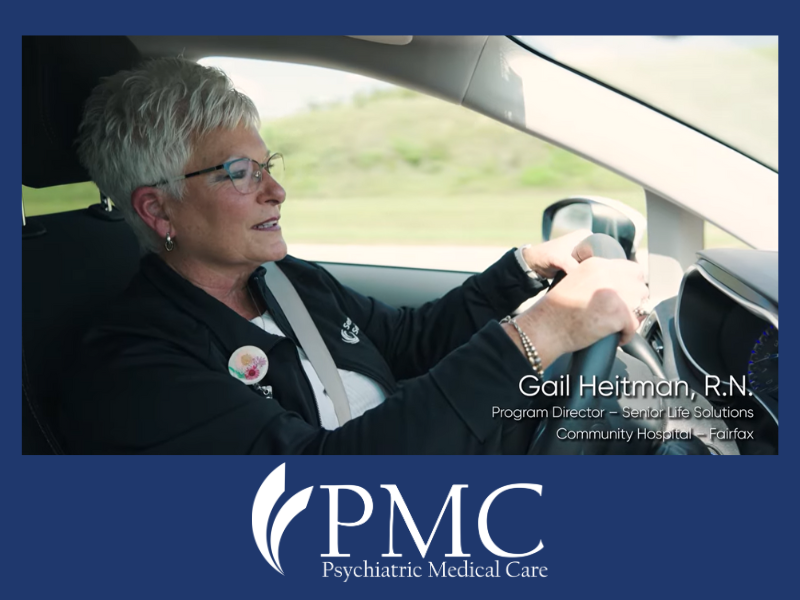
The Missouri Hospital Association recently shared a video showcasing providers and patients at Community Hospital – Fairfax, MO. The video includes a patient explaining how the Senior Life Solutions program helped her with depression, and a testimonial from Gail Heitman, RN, the program director. Gail shared that she’s been a nurse for over 40 years and has observed that improving an older adult’s mental health often boosts their physical health.
“Patients just really do change when they come to our program,” Gail said.

Click here to watch the video.

Senior Life Solutions is a program embedded in community access hospitals that supports the mental health of older adults who struggle with anxiety, depression or other mental health challenges. The program is built around group therapy, but includes psychiatric support and one-on-one therapy. Most patients begin to see improvement in their mental health within four to six weeks of starting the program, and experience lasting results upon completion. Staff includes a therapist, nurse and an office and patient coordinator. Therapy sessions are offered three days a week, and some patients can attend via telehealth.

Learn more about bringing Senior Life Solutions to your community access hospital by clicking here.

Senior Life Solutions Program Director Shares Program Benefits with KDWD 99.1

Melinda Watson, program director of Senior Life Solutions at Pershing Memorial Hospital in Brookfield, MO spoke with Big Erv on the My Country Morning Show on KDWD 99.1 about the importance of older adult mental health, how to overcome the stigma surrounding it, and how Senior Life Solutions can support those who may be struggling. 

In the interview, Melinda highlights the signs of depression and anxiety in older adults, why reaching out for help can be so difficult, and the ways Senior Life Solutions works with individuals and families to bring hope and healing. Listen to the full interview here:

You can also learn more about KDWD 99.1 by visiting their website at https://www.mycountry991.com and following them on Facebook at https://www.facebook.com/MyCountry991KDWD

Loneliness in Older Adults Increases Risk of Death Ideation

A recent study highlights the link between loneliness in older adults and an increased risk of death ideation, while suggesting that attending religious services and engaging in social activities may offer protective benefits.

The study, conducted by the Irish Longitudinal Study on Ageing (TILDA) at Trinity College Dublin, sheds light on the growing public health concerns of loneliness and suicidal thoughts among the elderly. Published in Frontiers in Public Health, the research delves into the issue of social isolation and its connection to a “wish to die” (WTD) among older individuals. WTD refers to thoughts or desires that one would be better off dead, a known clinical marker for future suicidal behavior.

Both social disconnection and rising suicide rates among older adults pose significant public health challenges. Prior research has shown that a lack of social relationships, both in structure and function, contributes to thoughts of suicide. However, this study emphasizes that loneliness itself is a particularly strong predictor of WTD, more so than social isolation or living alone. Notably, even after controlling for depression and other forms of social disconnection, loneliness remained a powerful factor in predicting death ideation.

Dr. Mark Ward, Senior Research Fellow at TILDA and the study’s lead author commented on the findings:
“Loneliness and suicide in older adults have reached critical levels. Our study adds to the growing body of evidence showing that loneliness in later life significantly increases the risk of wishing for one’s own death, which is often a precursor to suicidal behavior. However, we also found that participating in religious services and communal activities can serve as protective factors, reducing the likelihood of these negative thoughts.”

Key Findings:

One of the standout conclusions of the research is the protective role that attending religious services plays in reducing death ideation. Among the key findings are:

  • 4% of participants reported having a wish to die within the month prior to the interview.
  • 10% were found to have clinically significant levels of depression.
  • Loneliness emerged as a critical risk factor for death ideation.
  • Regular attendance at religious services and other prosocial activities significantly reduced the likelihood of WTD.

In addition to religious involvement, other forms of intervention, such as cognitive behavioral therapy (CBT), may help alleviate the loneliness that contributes to depression and death ideation.

Dr. Robert Briggs, a Consultant Geriatrician and co-author of the study, stressed the importance of addressing mental health and social isolation in older populations. He noted that “Wish to Die,” a condition strongly associated with future suicide attempts, is closely linked with loneliness and depression. “Engaging in social activities can offer significant protection against these feelings,” Dr. Briggs emphasized, urging policymakers to prioritize mental health and social connectedness in aging populations.

Regius Professor Rose Anne Kenny, Principal Investigator of TILDA, pointed out that loneliness and social isolation have been exacerbated in Ireland, particularly during the COVID-19 pandemic. “Even now, as we emerge from the pandemic, some older adults continue to suffer from isolation, having lost confidence in social engagement. Loneliness accelerates biological aging and worsens health outcomes, making it an urgent issue to address.”

The study underscores the importance of fostering social engagement and providing accessible mental health care to combat loneliness and its associated risks among older adults.

AHA Podcast: Providing Behavioral Health Support for Older Adults

(The following transcript was provided by the American Hospital Association’s Advancing Health podcast.
You can listen to this podcast here – https://player.captivate.fm/episode/03ef93c9-9d1a-4f26-8c81-e6abffd44265)

Advancing Health – May 21, 2024

Tom Haederle

According to the World Health Organization, behavioral health conditions among older people are often under-recognized and undertreated, and the stigma surrounding these conditions can make people hesitant to seek help when they need it. West Virginia-based Broaddus Hospital, a critical access hospital that is part of the Davis Health System, has created Senior Life Solutions, an intensive outpatient program designed to fit the needs of patients 65 and older.

Welcome to Advancing Health, a podcast from the American Hospital Association. I’m Tom Haederle with AHA Communications. Although the overall population of Broaddus Hospital’s rural community has decreased over time, the population of older adults has steadily increased. What wasn’t increasing, however, was the availability of behavioral health services for this population. Recognizing that there were many older community members who needed help managing depression, anxiety, social isolation and grief, the team at Broaddus Hospital decided to get to work to create a treatment program that address their unique needs.

In this podcast, hosted by Jordan Steiger, senior program manager of Clinical Affairs and Workforce with the AHA, she is joined by two leaders who share how this hospital-based program has benefited not only patients who seek care through their program, but the community overall. Dana Gould is CEO, Broaddus Hospital, and Donetta McVicker is program director of Senior Life Solutions with Broaddus Hospital.

Jordan Steiger

Dana and Donetta, thank you so much for being with us today on our AHA Advancing Health podcast. We’re really excited to talk to you today and to hear your perspective about some of the work that you’ve been doing.

Dana Gould

Thank you for having us.

Jordan Steiger

So tell us a little bit about Broaddus Hospital and the community that your hospital is in.

Dana Gould

It’s a critical access hospital, 72-bed facility. We have 12 acute care swing beds as well as a 60 bed nursing home. We’re located in Philippi, West Virginia, a pretty rural area. And so this is a nice facility to have here in our small community.

Jordan Steiger

It’s great. And you know, how many communities does your hospital serve? Is it just in your town or does it kind of serve a bigger, rural population?

Dana Gould

We serve our surrounding counties there, about five different surrounding counties that we serve, in addition to Barbara County, West Virginia.

Jordan Steiger

You know, that’s really nice to hear. And I think something that other, you know, rural listeners can resonate with, you know, serving that big population, that big, area, you know, in your community and not just the people that may be live next door to you, but also the people that kind of live just in your region. And, we know that a lot of communities really depend on the work of rural and critical access hospitals to get care.

Jordan Steiger

So, we’re really excited to learn more today. What are some of the common, you know, kind of like population health issues that face your community, especially related to behavioral health and substance use?

Dana Gould

Well, we do our annual community – not annual, and we do it every three years – our community health needs assessment. And so for the last several years when we’ve completed that, we’ve found that behavioral health is one of the areas of greatest need in our community. We also have a pretty large percentage, around 20 some to 22% of population that’s over 65 years of age. And we’re finding that even though the population of our county has decreased or remained relatively flat, the population of those 60 and 65 or older, have has increased. So, there is of an increasing need for behavioral health in our community.

Jordan Steiger

I think that leads us into exactly what we’re here to talk about today. So, your hospital has a really strong, geriatric, intensive outpatient program. And I think that’s really unique and something that our listeners are going to be really interested in just because, as you mentioned, a lot of communities I think, are kind of facing that same issue of aging populations and maybe not having enough care in the area to help them with their behavioral health issues.

And it sounds like what you’ve done has really enhance the quality of life for the older adults and their families in your community. So I’d love if you could tell us a little bit more just about your program.

Donetta McVicker

Okay, I guess I will step in there. My name is Donetta McVicker. I am the program director here at Senior Life Solutions at Broaddus Hospital. Senior Life Solutions is an outpatient behavioral health program here at Broaddus Hospital. It’s designed to meet the unique needs of older adults, typically 65 and older, who are experiencing issues such as depression, anxiety, or other mental health challenges associated with the changes that accompany the aging process.

Our services include group therapy, individual therapy, family therapy, and medication management.

Jordan Steiger

That’s great. Can you tell us more about maybe some of the skills that patients learn? Maybe in group therapy or individual therapy?

Donetta McVicker

Yeah, absolutely. Our therapy sessions occur in small groups and are facilitated by our licensed therapist. Patients typically attend group sessions three days a week, at first, and then they titrate to two or one day per week as they progress through the program. The program usually uses various skills to support patients in achieving their personal therapy goals, such as mindfulness, grounding skills, progressive muscle relaxation, self-care, social and communication skills.

Jordan Steiger

That’s great. And you know, I know, one thing that we talked about when I initially learned about your program is that you’ve seen maybe that there’s been an increase in, you know, socialization of the older adults in your community from meeting each other in this program. And can you talk about maybe some of kind of the positive byproducts that have come out of having this kind of group therapy setting?

Donetta McVicker

Our patients typically experience a lot of isolation and loneliness. So once they engage in the program, they meet new people who are experiencing similar issues that they are currently experiencing themselves. So they relate with one another, and they become friends. A lot of times, once they’re discharged, they still remain in contact with the people that they met in group.

Donetta McVicker

They’ve created these relationships with the other clients, and they will call each other on the weekends, or they’ll arrange an outing and have coffee together or something like that. And that really increases their socialization and, really improves, some of their mental health issues.

Jordan Steiger

I think that is an incredible thing to highlight here because obviously, you know, we’re looking for in a program like this, you know, positive clinical outcomes, reduced depression, reduced anxiety, things like that. But, you know, really having that decreased loneliness and socialized relation, especially in older adults, I mean, we know that that has so many positive mental and physical health outcomes.

So I think the fact that you’re providing that in your community is such a great thing.

Donetta McVicker

Yeah, absolutely I agree.

Jordan Steiger

So one thing that we know is on everyone’s mind across the country, whether it’s, you know, small critical access hospital or a big health system is workforce. And having the right workforce available in the community and in the hospital to fulfill and, you know, continue programs like this. So who do you need to be successful in this program?

Jordan Steiger

Do you have, you know, a psychiatrist? Do you have social workers? Tell the audience a little bit more about who’s on your team.

Donetta McVicker

Yeah. Our program is made up of multidisciplinary cast or, staff. We have a registered nurse. We have a licensed social worker. We have a psychiatrist and other clinical staff that support the patients such as CNAs and things like that, NAs.

Jordan Steiger

I think that multidisciplinary approach is always helpful in behavioral health and, you know, gives our listeners an idea maybe what it would take for them, you know, to put something like this in place, knowing that they’re going to need lots of different people, lots of different moving parts to kind of make this a success.

Donetta McVicker

Yeah.

Jordan Steiger

So one thing I know, we hear a lot about and, you know, the behavioral health world in general, and especially with aging adults and rural communities is stigma. You know, stigma around seeking care, stigma about actually admitting that you need help with your mental health. is this something that you found to be true, when you’re seeing people coming into your geriatric IOP program?

Donetta McVicker

Yes. Of course. You know, one thing that we tell our patients or anyone considering the program is that there is no shame or stigma in providing good self-care. Mental health care should be no different than physical health care. There are nearly 58 million adults aged 65 and older living in the United States, yet we continue to lack services specifically for that population.

Unfortunately, the aging process does not come with an instructional manual. However, our program helps to provide resources and the tools, both emotionally and socially, to be better equipped on ways to overcome some of these challenges that often accompany this journey.

Jordan Steiger

I love what you said about aging doesn’t come with the manual. I think that’s, you know, something to keep in mind, you know, here and nobody knows exactly how it feels as people are getting older. It’s a really great thing I think, that you have something in your community to provide some structure and provide some guidance.

And, like you said, there is no stigma. There should be no stigma around seeking care, especially when it can improve the quality of your life as much as you’ve seen for your patients. So that’s really, really great. Speaking of that, how has your geriatric IOP program positively impacted your patients, families and community?

Donetta McVicker

I actually have a few testimonials if I may be permitted to read some of them.

Jordan Steiger

Absolutely.

Donetta McVicker

All right. So I have: “Since retirement, I needed to reassess who I am and how I occupy my mind. I found the direction and the support with this program.” Another client wrote, “I lost my grandchild and found myself in a dark place. I didn’t know how I would make it through without the support that I needed. With the help of this program

I have made friends and found ways to celebrate her life.” And then lastly, one client stated, “I have learned a lot about myself and how to cope with my current health conditions.” So as you can see, there are many different ways that patients have experienced an increase in their knowledge of themselves, of their, newly occurring health conditions, which seems like once you’re 65 or older, those seem to be more rapidly occurring in their life.

And then, you know, losing a loved one seems to happen more frequently in the ages of 65 and older. And unfortunately, it doesn’t just stop with the spouse or a friend or a relative or something like that. What we’re seeing a lot here is they’re losing their adult children or even their grandchildren to things like substance abuse and accidents and things like that.

So we’re seeing a lot of grief in our program. It’s really nice that, you know, that testimony about losing her grandchild. It’s really nice to hear that we were able to help her really change her perspective on that grief and flip it around to say how she now has found ways to celebrate that life instead of mourning the loss of that individual.

Jordan Steiger

Yeah. I mean, we know that community is such a powerful tool in addressing grief. And, I love that you brought in some patient perspective and you know, testimonial. I think that really kind of brings to life the importance of this program in your community. And I’m sure our listeners are also going to be really impacted by those testimonials as well.

So as we kind of wrap up our conversation today, if there is another rural or critical access hospital out there who, you know is hearing the work that you’re doing and hearing your story and is like, wow, I would love to have something like that in my community. What advice would you give them as they were getting started?

Donetta McVicker

You know, honestly, I would start off and say, take a look around your community. Do you have resources readily available for your most vulnerable populations? The aging process has a host of challenges. So the population often experiences things like grief and financial struggle, isolation, loneliness, chronic health conditions, and just an overall lack of support. A program like Senior Life Solutions can help accommodate those needs.

I know that through our program, it didn’t take a whole lot to get started here. It’s a small staff. Like I said, we have a registered nurse, a CNA, a licensed therapist, and a psychiatrist. And with that small multi-disciplinary staff, we’re able to, you know, do really big, important things for our clients.

Jordan Steiger

That’s great. And I think, you know, the message that it doesn’t maybe take a lot to get this off the ground, I think is important. And, you know, of course it’s going to take effort to start a new program or something like that. But I think the payoff from what you’ve said is totally it’s worth the work, right, to provide those services to your community.

Dana, any closing thoughts from an administrative perspective?

Dana Gould

Sure. Financially, the program has been beneficial for us. Since we are a critical access hospital, our reimbursement is, at least for Medicare, is primarily based on our cost. So this allows you to be fully reimbursed for the cost of the program because the majority of the patients are Medicare patients and then also assist with some of the allocated costs that go to the program.

Some of your overhead costs can be allocated and reimbursed. So financially, it is a very good program for critical access hospital.

Jordan Steiger

That’s great. That’s really important to mention I think, because of course we can’t avoid that conversation talking about the finances and how to keep these programs running. So I’m glad that it has been a financially viable program for you and that it continues to be successful. So thank you both so much for sharing your insights with us today.

I think that our members at the AHA really going to learn a lot from this conversation, and we really appreciate that you took the time to share with us.

Tom Haederle

Thanks for listening to Advancing Health. Please subscribe and write us five stars on Apple Podcasts, Spotify, or wherever you get your podcasts.

Healthcare Leaders Address the Increasing Need for Mental Health Services

Psychiatric Medical Care’s chief executive officer, J.R. Greene shared his thoughts about how mental health treatment can be more accessible as the need for behavioral healthcare continues to rise. Below is an excerpt from the article “Changing Behaviors” which was published by Healthcare Executive.

Click here to view a printable PDF of the entire article.

Excerpt of “Changing Behaviors” Featuring J.R. Greene

J.R. Greene, FACHE, CEO, Psychiatric Medical Care, Nashville, Tenn., points to the paucity and ambiguity of funding sources. Founded in 1992 by Greene’s father, James A. Greene, MD, the mental health management organization partners with more than 250 facilities in 34 states—historically focused on rural areas but recently moving into urban markets as well—to provide outpatient, inpatient, telehealth and pediatric psychiatry services.

“The funding has not universally been at a rate that would motivate many practitioners to become behavioral health experts compared to other specialties,” he says. And payers don’t have the same hard data about the costs of behavioral health treatment as they would, say, for a hip replacement. “We don’t know the exact costs associated with treating various mental disorders,” he adds. “As an example, we can’t tell someone with adult bipolar illness that they will need a certain type of treatment for a very strict amount of time, at a set industry cost. [That] ambiguity of behavioral health treatment disrupts the funding mechanisms. Insurance providers want to see consistent data to know their realistic estimated cost by treatment. Behavioral doesn’t have this near perfect sophisticated capability—yet.”

Greene recommends continued investment in patient data and outcomes, along with the right expertise, which involves not just recruitment but also retention of behavioral health providers—along with adequate training to bring it about. Virtual care should be encouraged whenever possible to ensure wider access, with the caveat that acute needs will still need to be handled in person, he says. “Leaders across all of healthcare need to become more comfortable with a virtual or hybrid level of mental healthcare,” he adds. 

Other steps to improving access include advocating for more complete insurance coverage and working to reduce the stigma around mental healthcare, Greene says. One local success he’s seen involves a youth soccer team that has previously seemed hesitant to adopt Psychiatric Medical Care as its sponsor accepting the sponsorship this year, even placing the medical company’s logo on the players’ jerseys.

Any internal effort begins with—but should not be limited to—an employee assistance plan, Greene says. About 36% of Psychiatric Medical Care employees leveraged that benefit in 2022, with many of them using the teletherapy option, he says. Greene agrees that reducing the stigma around behavioral health is a key ingredient internally, as well.

Bridging these gaps is essential for people to get coordinated care, which requires not only human communication but also electronic interoperability to ensure a seamless flow of data, Greene says. “It’s building the relationships—and sharing the information and outcomes,” he says. “We’ve been able to do a lot of this because we work with FQHCs, community mental health centers, academic centers and hospitals themselves.” Information about outcomes can help build the data and algorithms that insurers want, he adds.

“The outcomes we’ve gathered vary based on the patient population, but we work with our partners to share access to key data points that drive care, reduce recidivism and improve outcomes,” Greene says. “A few key data points we collect and share include polypharmacy usage, ED visits for mental health crises, reduction in ED visits over time with mental healthcare access, patient outcomes from evidence-based testing and continuing care instructions between care teams.”

Coping With Community Violence: Mental Health Resources

Emotions after a shooting can be difficult to process.

Many of us find it difficult to process acts of community violence, especially a school shooting. We question the perpetrator’s motives. We wonder how law enforcement handled the situation. We ask “Why here? Why now?” We think about how safe we really are.

It’s normal to experience strong feelings of fear, dread, sorrow and even guilt after an act of community violence. Even people who were not directly impacted by a shooting can develop symptoms of emotional distress. You may feel shock, anger, grief and disillusionment. You might have trouble concentrating, eating or sleeping. This reaction is common and in most cases will pass. Most of us rely on family and friends as a support network. We talk about the tragedy that took place, try to comfort each other and reach a sense of understanding that things will soon get back to normal.

Some people find it harder to cope with acts of community violence than others. Their distress may impact their ability to function normally. Children may struggle with these events. Whether they witnessed a shooting, saw it on social media or heard about it from friends, they often feel scared, unsafe and confused about what happened.

Use the resources below to find a mental health provider, get tips for managing distress after a shooting and learn how to talk to children about community violence.

Resources to Help Cope with Community Violence, Including Mass Shootings

Mental Health Services:

Guides and Tips:

Taking Care of Yourself

You may wonder how to go on with your daily life after the school shooting. Here are some tips to help you cope during this challenging time and strengthen your resilience.

Talk about it
Speaking with others who have shared an experience can help you feel connected. Seek support from friends and family. Consider talking with a therapist or mental health expert for guidance.

Strive for balance
It’s easy to become overwhelmed. Remind yourself of people and events which are meaningful and comforting. Striving for balance empowers you with a healthier perspective.

Turn it off and take a break
We want to stay informed, but limit the amount of news you take in. Images can reawaken your feelings of distress. Do something you enjoy. It’s ok to distract yourself.

Honor your feelings
It’s common to experience a range of emotions after a tragedy. It’s ok to feel sad, scared, exhausted or off balance. Acknowledge how you are feeling.

Signs and Symptoms of Emotional Trauma

Physical Signs

  • Headaches
  • Sleeping too much or too little
  • Stomachaches
  • Racing heart
  • Easily startled
  • Overly tired or exhausted

Emotional & Mental Signs

  • Overwhelming fear
  • Helplessness, hopelessness
  • Guilt
  • Shock
  • Irritability
  • Panic and anxiety
  • Disbelief
  • Intrusive thoughts

Impacts of Tragedy and Trauma

Witnessing a mass shooting or a tragic event can lead to trauma due to the profound psychological and emotional impact of such experiences. Trauma is a complex psychological response to an event that is shocking, distressing, or harmful. Such trauma can affect cognitive functions such as concentration, memory, and decision-making. Individuals may find it difficult to focus on tasks, experience memory lapses, or struggle with making simple decisions.

Trauma often leads to intense and overwhelming emotions. Individuals may experience heightened anxiety, depression, anger, or a sense of emotional numbness. Managing and regulating these emotions becomes challenging, impacting day-to-day emotional well-being. Witnessing a mass shooting can strain relationships and social interactions. Traumatized individuals may withdraw from others, have difficulty trusting people, or struggle to relate to those who have not experienced similar experiences.

Trauma can affect a person’s ability to perform at work or maintain employment. Difficulties concentrating, increased irritability, and emotional distress may lead to decreased productivity and job satisfaction. Some individuals may develop avoidance behaviors as a coping mechanism. They may avoid places, activities, or people associated with the traumatic event, leading to limitations in their daily life and potential isolation. Trauma often contributes to sleep disturbances such as nightmares, insomnia, or night sweats. Poor sleep quality can exacerbate existing challenges and contribute to overall fatigue and difficulty functioning during the day. If you or someone you know needs help processing an act of community violence, understanding and controlling emotions, or regaining a sense of normalcy consider seeking the help of a mental health professional.

How to Talk to Children About School Shootings

  • Stay calm.
  • Be their source of information.
  • Let them lead the conversation.
  • Give them space to heal.
  • Feel with them. Don’t process with them.
  • Answer questions honestly but age-appropriately.
  • They don’t need all the answers.
  • Talk about what they can control.
  • Ask what would help them feel safe at school.
  • Remind them of the truth you know.