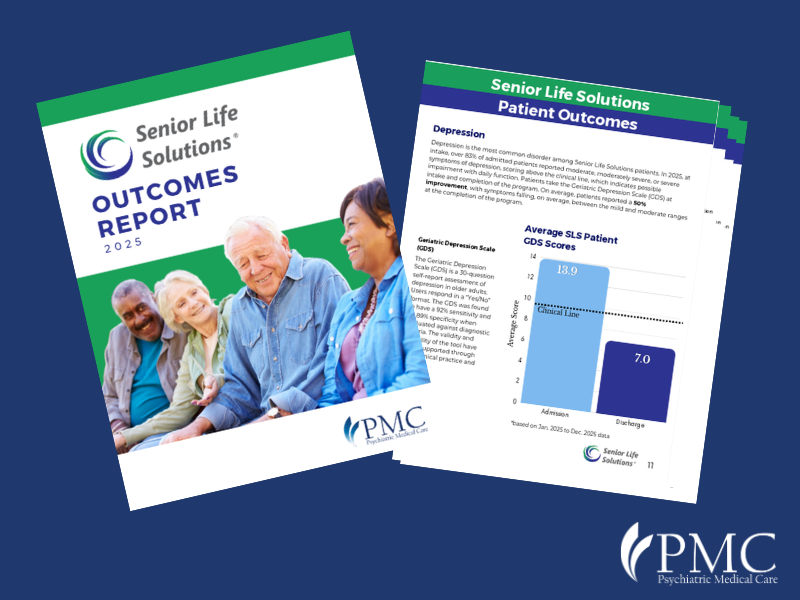
As the U.S. population ages, the demand for effective, compassionate mental health care for older adults continues to grow. The 2025 Senior Life Solutions (SLS) Outcomes Report offers a clear and data-driven look at how targeted, evidence-based interventions can meaningfully improve the lives of seniors facing depression, anxiety, and psychological distress.
Designed specifically to address the unique mental health needs of older adults, Senior Life Solutions delivers a structured, supportive approach to care. These programs are embedded in rural hospitals across the country, where many communities struggle to provide mental health services. Through a combination of group therapy, individual counseling, medication management, and personalized treatment planning, the program focuses not just on symptom reduction but on restoring dignity, connection, and quality of life.
Attention Hospital Leaders!
Find out more about Senior Life Solutions and the behavioral health services Psychiatric Medical Care has to offer. Our fully managed intensive outpatient programs help hospitals deliver the mental health care their communities demand, while generating revenue. Contact Us today.
Download the 2025 Senior Life Solutions Outcomes Report
A Commitment to Measurement and Evidence-Based Care
At the core of the SLS model is a rigorous commitment to clinical measurement. Patients are assessed at multiple points throughout their care journey, starting at intake, during treatment, and upon program completion using widely recognized behavioral health tools:
- Geriatric Depression Scale (GDS)
- CORE-10 (Clinical Outcomes in Routine Evaluation)
- Zung Anxiety Scale
These assessments are used globally and provide a standardized way to evaluate symptom severity, track progress, and ensure that care decisions remain data-informed and patient-centered.
Patient Profile: High Clinical Need at Intake
The 2025 data underscores the significant level of need among seniors entering the program:
- Over 83% of patients presented with moderate to severe depression at intake
- A majority also experienced co-occurring anxiety and psychological distress
- Many patients reported symptoms severe enough to impair daily functioning
This reinforces the importance of accessible, specialized geriatric behavioral health services—and highlights the critical role SLS programs play in community care settings.
Measurable Outcomes That Matter
The outcomes from the 2025 report demonstrate meaningful clinical improvement across all major measures:
Overall Symptom Reduction
- Patients who completed the program experienced an average 42% reduction in symptoms of depression, anxiety, and distress
- The average length of stay was 92 days, indicating a structured but time-limited intervention model
Depression Outcomes (GDS)
- Depression remains the most common condition among SLS patients
- Patients reported an average 50% improvement in depressive symptoms
- By program completion, symptoms decreased to the mild-to-moderate range on average
- The majority of patients graduated in remission from depression
Psychological Distress (CORE-10)
- Most patients entered the program above the clinical threshold for distress
- Patients demonstrated an average 54% improvement on the CORE-10
- Results indicate significant gains in emotional stability and daily functioning
Anxiety Outcomes (Zung Scale)
- Over 33% of patients reported high levels of anxiety at intake, including physical symptoms such as rapid heart rate, headaches, and gastrointestinal distress
- Many initially scored in the marked to severe range, indicating functional impairment
- Patients experienced an average 22% reduction in anxiety symptoms by program completion
Beyond the Numbers: Restoring Quality of Life
While the clinical data is compelling, the broader impact of Senior Life Solutions extends beyond symptom reduction. Improvements in depression, anxiety, and distress translate directly into:
- Greater independence in daily activities
- Improved social engagement and connection
- Enhanced emotional resilience
- Reduced burden on caregivers and healthcare systems
These outcomes reflect a holistic approach to care, one that recognizes mental health as a foundational component of overall well-being in older adulthood. To find a Senior Life Solutions program near you, visit our SLS locations page.
A Model for the Future of Geriatric Behavioral Health
The 2025 Outcomes Report serves not only as a reflection of program success but also as a roadmap for continued improvement. As demand for geriatric mental health services increases, scalable, evidence-based models like Senior Life Solutions will be essential.
By combining clinical rigor with compassionate care, SLS demonstrates that meaningful recovery is possible at any stage of life.
A Shared Mission
At the heart of Senior Life Solutions is a simple but powerful belief: every senior deserves dignity, connection, and hope.
The insights from this year’s report reinforce that when care is intentional, personalized, and grounded in evidence, outcomes improve and lives change. Seniors who complete this intensive outpatient therapy program feel more connected to others, happier about their lives, and confident in the future. Moving forward, these findings will continue to guide efforts to expand access, enhance care delivery, and improve mental health outcomes for seniors across the country.
Download a PDF version of the 2025 SLS Outcomes Report.