Case study · Geriatric Intensive Outpatient Program
Conemaugh Meyersdale Medical Center expanded behavioral health access to seniors
Meyersdale partnered with PMC to launch a geriatric outpatient program, expanding access to care for older adults while strengthening its connection to the surrounding community.
Before
A clear community need, but limited resources to build a program
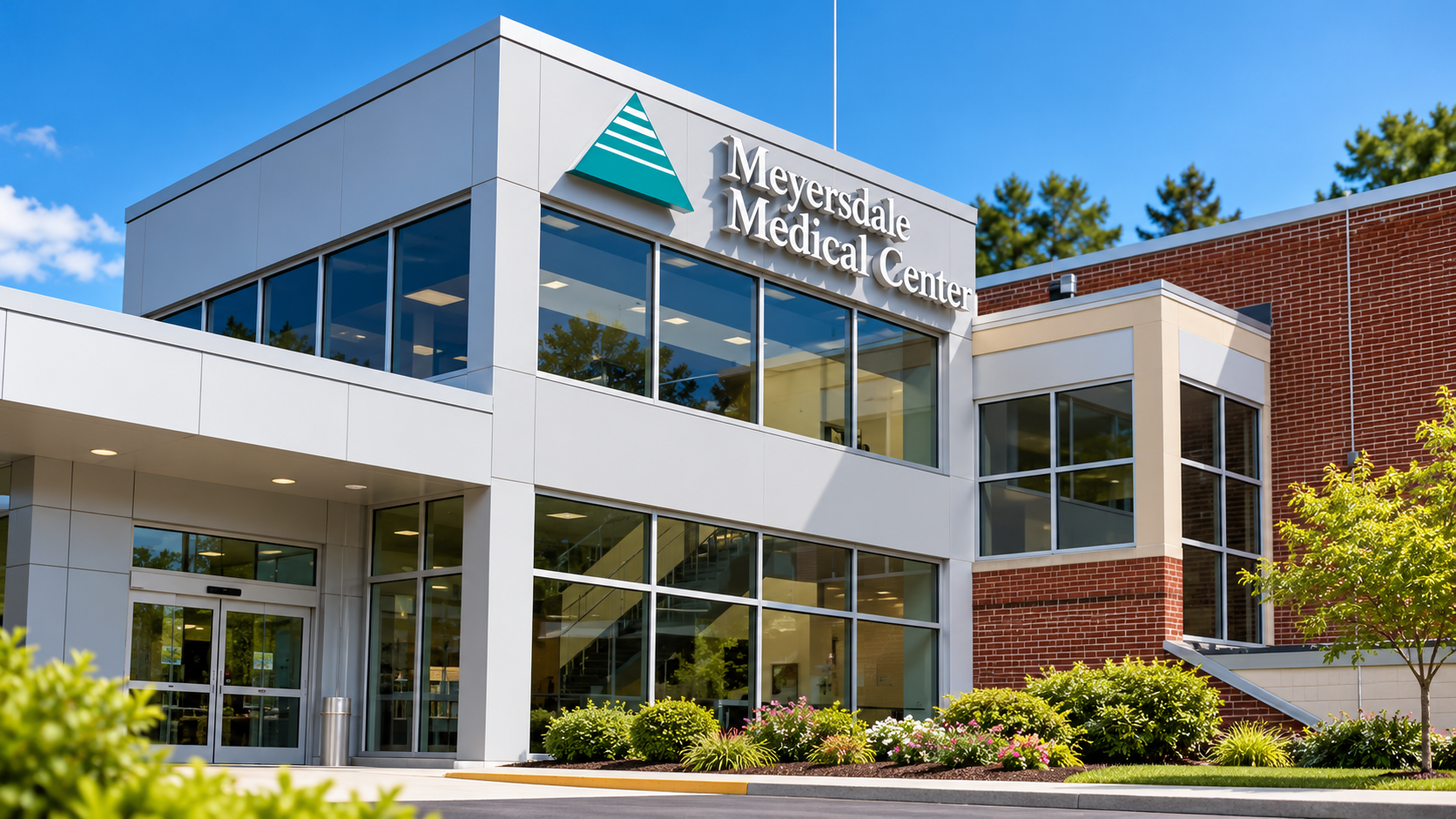
Conemaugh Meyersdale Medical Center serves a large rural region of southwestern Pennsylvania, where older adults face limited access to behavioral health care due to transportation barriers, provider shortages, and stigma.
The need became even more apparent during the COVID-19 pandemic. While the hospital recognized the importance of expanding services, launching a program internally would require specialized staffing, regulatory expertise, and operational resources beyond its existing capacity.
With a small critical access hospital, you don’t have the manpower to put together a full program like this. The PMC program comes already packaged.
The decision
An established program model instead of building one in-house
Meyersdale needed more than clinical coverage. It needed an experienced partner capable of establishing and managing a behavioral health program within the hospital's existing operations. By partnering with Psychiatric Medical Care, they were able to launch a geriatric intensive outpatient program.
Rather than developing the service line from the ground up, Meyersdale gained an established model that included policies, procedures, regulatory guidance, recruitment support, patient qualification processes, and insurance authorization expertise.
PMC's approach reduced the operational demands on hospital leadership while providing the specialized resources needed to deliver consistent care.
The program
What PMC put in place at Meyersdale
-
A geriatric behavioral health program launches
Meyersdale partnered with PMC to establish an intensive outpatient program serving older adults experiencing depression, anxiety, grief, and other mental health challenges.
-
Established clinical and operational infrastructure
PMC provided the program framework, staffing and recruitment support, clinical workflows, regulatory guidance, and administrative expertise needed to implement and manage the service.
-
Consistent, structured treatment
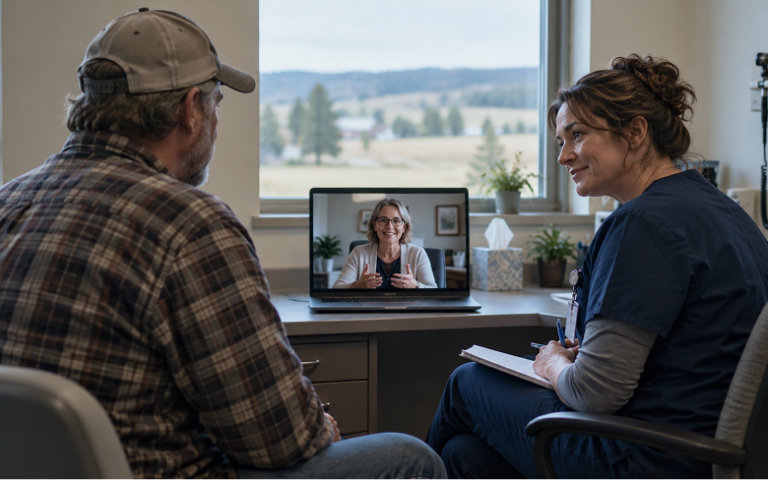
Participants receive group therapy up to three times per week, along with psychiatric care and individual counseling. Virtual participation options help extend access across the hospital's rural service area.
-
A team integrated into hospital operations
PMC's program director participates in daily hospital briefings, patient safety and quality initiatives, and community outreach. The team also supports hospital-wide initiatives, functioning as an extension of Meyersdale's staff.
Beyond direct treatment, the program engages local physicians, senior centers, nursing homes, hospice organizations, and other community partners to build awareness of available behavioral health services.
Results
What changed for patients, the hospital, and the community
Meyersdale's experience demonstrates how an established behavioral health program can expand access while becoming part of the hospital's broader operations.
Program Activity
- 8+
- Average participants per month
- 10
- Patients often participating in the program
- Virtual
- Participation option for patients facing transportation barriers
Outcomes
- Meaningful patient improvement
- After seven months, one participant showed significant improvement in depression and anxiety symptoms, returning to social activities and encouraging others to seek care.
- Additional hospital utilization
As patients and families became more familiar with Meyersdale through the program, some returned to the hospital for other services, supporting broader utilization and community relationships.
I really think we’re not just taking care of the patients in the program. We’re taking care of the community, making it healthier and making sure that we're a place where people want to come to for healthcare. This program plays a big role in that.
Use case
Why This Matters for Critical Access Hospital Leaders
| Leadership concern | Risk without a partner | With PMC | |
|---|---|---|---|
| Startup complexity | Policies, staffing, workflows, reimbursement, authorizations, and regulatory steps can overwhelm small teams. | PMC supplied an established program structure and implementation guidance. | |
| Rural reach | Older adults may not travel for care, especially across a large service area. | The virtual care option helped the hospital serve more patients and maintain census. | |
| Financial sustainability | A new service line must support the hospital's mission and economics. | Positive reimbursement impact, cost report benefit, and downstream use of hospital services. | |
| Community relevance | Mental health need may remain hidden because of stigma and close community ties. | Outreach, education, and visible program activities made the hospital a trusted point of access. |
Transferrable
What this can look like for your Critical Access Hospital
For rural hospitals, recognizing the need for behavioral health services is often easier than implementing them. Meyersdale demonstrates that hospitals don't need to build the staffing, expertise, and operational infrastructure alone.
PMC’s Senior Life Solutions is a geriatric intensive outpatient program that helps rural hospitals expand behavioral health access. PMC evaluates community demand, reimbursement, and hospital resources to develop a sustainable model, with an embedded team supporting daily operations and long-term success.
Reach out to see what Senior Life Solutions could bring to your hospital.